
Liquefied Natural Gas Terminals
What is Liquefied Natural Gas (LNG)
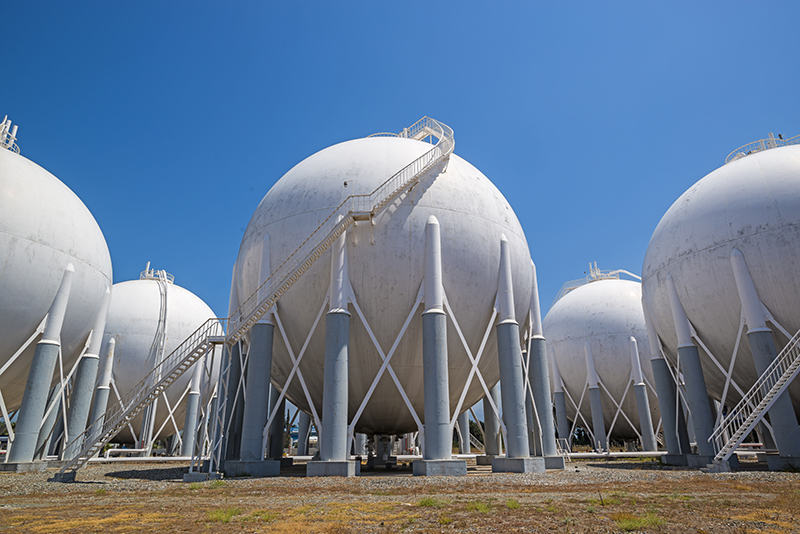
Natural gas can also be converted to liquefied natural gas (LNG) and stored in above-ground tanks. Facilities for making LNG are used by many gas distribution companies for short-term peaking requirements, and are regulated under state authority. However, The Commission regulates a small number of similar facilities that are connected to interstate natural gas pipelines.
What are a LNG Terminals
The United States also has several large LNG terminals, which include large LNG storage tanks as part of their operations. Traditionally, imported LNG is regasified before it enters the system of interstate natural gas pipelines for delivery to consumers. The Gulf Coast area has the country’s highest concentration of existing and planned LNG terminals. In this region, salt caverns and depleted reservoirs also may be used as gas storage.
The growing production of natural gas in the United States from shale deposits has led to rising interest in developing liquefaction facilities for the export of natural gas to other countries. In this case, some LNG terminals would be used to export gas. Domestic natural gas would arrive at an LNG terminal via pipeline in a gaseous state, then liquefied and placed on LNG vessels for delivery to international consumers. While the Commission has the responsibility to evaluate and authorize LNG facilities, any company that exports natural gas also must receive an export license from the U.S. Department of Energy.
Existing and Proposed Terminals
- North American LNG Export Terminals – Existing
- North American LNG Export Terminals – Approved, Not Yet Built
- North American LNG Export Terminals – Proposed
- North American LNG Import Terminals – Existing
- North American LNG Import Terminals – Approved, Not Yet Built
- North American LNG Import Terminals – Proposed
- FERC Jurisdictional Peakshavers
Quick Links
Contact
Podcast Title
Lorem ipsum dolor sit amet, consectetur adipiscing elit. Suspendisse varius enim in eros elementum tristique. Duis cursus, mi quis viverra ornare, eros

What is Liquefied Natural Gas (LNG)
Natural gas can also be converted to liquefied natural gas (LNG) and stored in above-ground tanks. Facilities for making LNG are used by many gas distribution companies for short-term peaking requirements, and are regulated under state authority. However, The Commission regulates a small number of similar facilities that are connected to interstate natural gas pipelines.
What are a LNG Terminals
The United States also has several large LNG terminals, which include large LNG storage tanks as part of their operations. Traditionally, imported LNG is regasified before it enters the system of interstate natural gas pipelines for delivery to consumers. The Gulf Coast area has the country’s highest concentration of existing and planned LNG terminals. In this region, salt caverns and depleted reservoirs also may be used as gas storage.
The growing production of natural gas in the United States from shale deposits has led to rising interest in developing liquefaction facilities for the export of natural gas to other countries. In this case, some LNG terminals would be used to export gas. Domestic natural gas would arrive at an LNG terminal via pipeline in a gaseous state, then liquefied and placed on LNG vessels for delivery to international consumers. While the Commission has the responsibility to evaluate and authorize LNG facilities, any company that exports natural gas also must receive an export license from the U.S. Department of Energy.
Existing and Proposed Terminals
- North American LNG Export Terminals – Existing
- North American LNG Export Terminals – Approved, Not Yet Built
- North American LNG Export Terminals – Proposed
- North American LNG Import Terminals – Existing
- North American LNG Import Terminals – Approved, Not Yet Built
- North American LNG Import Terminals – Proposed
- FERC Jurisdictional Peakshavers

